01 / 06
The free AI website audit and what you actually get.
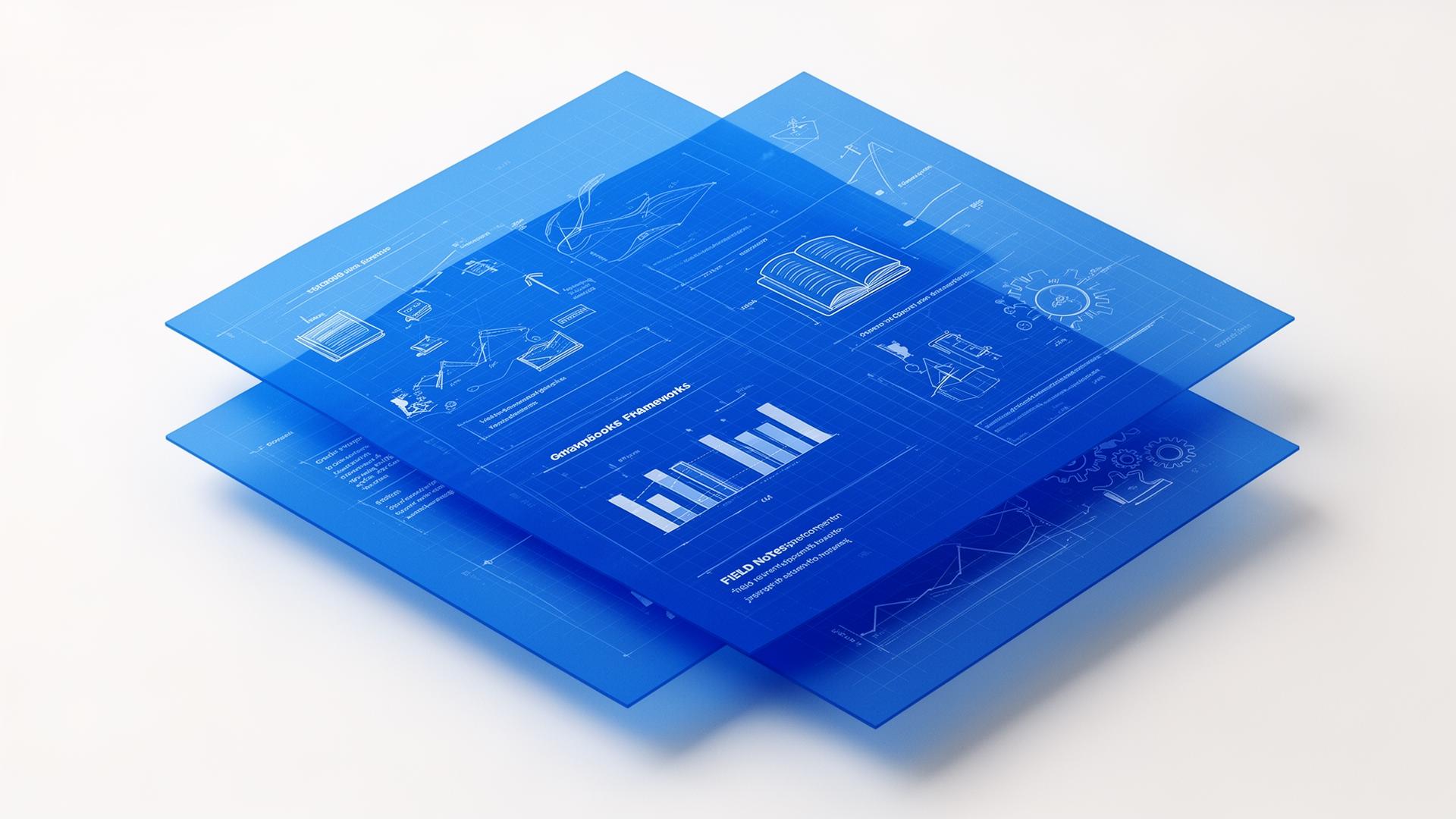
Submit a URL and the audit runs against four independent layers. These include classical conversion which focuses on load speed, form friction, primary CTA visibility, and trust density. We also look at intake including response time, channel coverage, and after-hours behavior. Traditional SEO is analyzed for technical health, schema, internal linking, and topical authority. Finally, we assess LLM-readiness to see whether large language models can extract clean, citable answers from your pages.
Each layer is scored on a 0–100 scale with a written rationale, and we attach a prioritized punch list. This list highlights what to fix first, what to fix in the next sprint, and what is structural enough to require a rebuild. The scoring rubric is published in full, and nothing is hidden behind a sales-team gate.
Roughly a third of operators who run the audit end up booking a strategy call. The other two-thirds take the report to their internal team and ship the fixes themselves. Both are good outcomes for us. The second group becomes a future referral source, while the report becomes evidence for the first group's CFO when they decide to hire.
Layer 1. Conversion
Form friction score, CTA visibility audit, mobile-first heuristics, trust signal density, and perceived load time.
Layer 2. Intake
After-hours coverage, response-time benchmark, channel parity, and lead-capture-to-CRM round-trip latency.
Layer 3. SEO
Technical health, structured data coverage, internal linking graph, and topical authority for service-line keywords.
Layer 4. LLM-readiness
An evaluation of whether Gemini, ChatGPT, and Perplexity can extract clean, attributable answers from your pages, which is the new front door of search.